












Flood Survival Tips: How to Prepare Before, During, and After a Flood

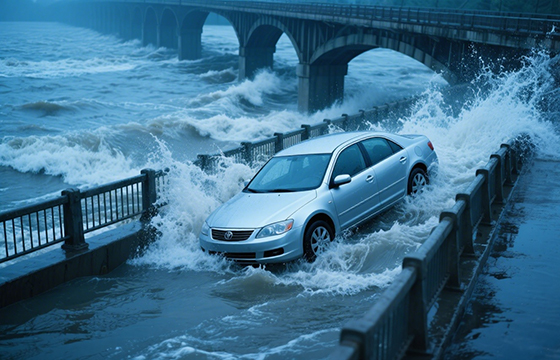
How to survive a flash flood? With the right flood survival gear and a clear list of needs, you can act fast, save lives, and cut long-term damage. Well-preparation is key for safety in any natural disaster, especially floods. This guide on how to survive from a flood covers pre-storm, during, and post-storm steps. We’ll highlight must-haves in a flood survival kit—water, food, emergency communicators—and share flood survival tips: assessing flood danger, seeking help when trapped, and safe post-flood return. Whether in a flood zone or prepping for bad weather, this guide gives critical info to survive a flood.
Before a Flood: Prepare in Advance
Stay Informed and Build a Flood Survival Kit
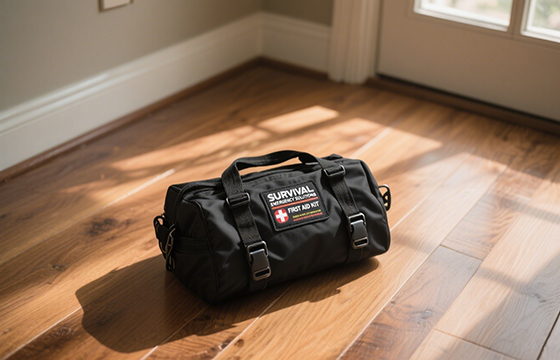
Stay up to date by checking local weather forecasts and flood alerts, putting on emergency alerts on your phone, and learning about nearby evacuation routes and places to stay in your neighborhood. You should buy a flood survival kit that has everything you need. In an emergency, the survival kit list can make a big impact.
What Do You Need in a Flood Survival Kit?
- 3-day supply of food (non-perishable, no cooking required)
- 3-day supply of water (at least 1 gallon per person per day)
- Flashlight & batteries
- First-aid supplies & necessary medications
- Cash, important documents, ID copies
- Cell phone & charger
- Whistle for signaling
- Multi-tool or basic repair kit
- Waterproof bag or container
- RELATED: Surviving Hurricane Milton: Your Ultimate Guide to Weathering the Storm
- RELATED: Tips for Preparing Essential Foods and Water Against a Hurricane.
Can a Car and a Pet Survive a Flood?
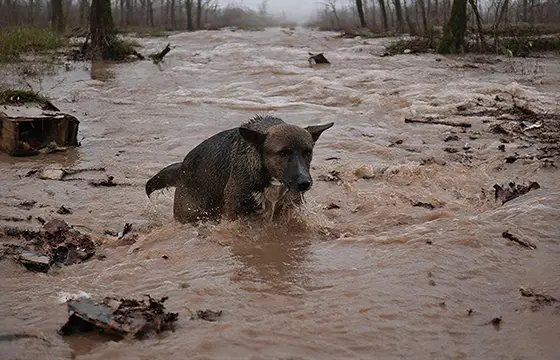
Don't forget about your pets and your car when you plan how to survive a flash flood. Will an automobile be able to survive a flood? The answer is usually no. To avoid flood damage or being carried away, cars should always be moved to higher ground well in advance. If you have pets, you need to make a special emergency kit for them. Food, a safe cage, and current vaccination records should all be included. Also, be sure to microchip your pets and provide them ID badges.
During a Flood: Respond Safely
How to Survive a Flood at Home?
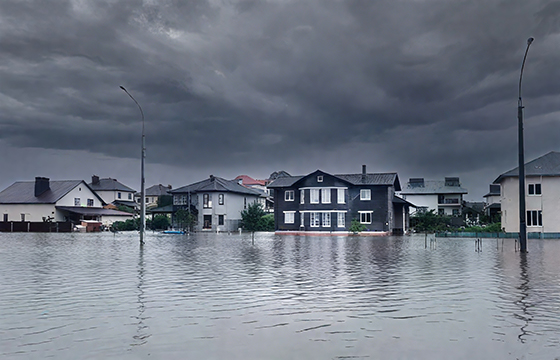
It's very important to leave early and bring your flooding survival kits in a waterproof backpack or storage tub if you get an evacuation order. It's quite unsafe to drive on flooded roads. Don't drown; turn around. If your car gets stuck in rising water, try to get out of it, climb onto the roof, and call for help. If you can't leave and have to stay where you are, get to the highest safe area, such the roof. Never go to the attic, though, because rising water can trap you there. To keep your home safe, make sure all of your drains are closed and your sinks are plugged. This will assist keep sewage from backing up. Most importantly, stay away from floodwater since it typically contains sewage, chemicals, and other dangerous things.
Flood Safety Notes:
- Use bottled water for drinking and hygiene.
- Carry children through floodwaters; do not let them play in it.
- If walking is unavoidable, check depth and flow before proceeding.
- Use your whistle or flashlight to signal for help if stranded.
After a Flood: Recover Carefully
Wait and Be Careful
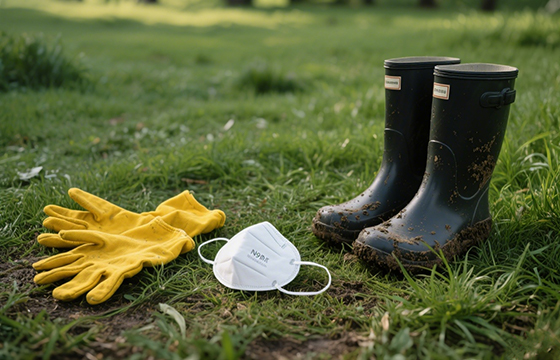
Wait to head back until the water’s gone and authorities say it’s safe—rushing in too soon is risky. When cleaning up, slip on gloves, waterproof boots, and a mask to keep mold, bacteria, and gross stuff at bay. Keep an eye out for wobbly buildings, hidden trash heaps, and wonky electricals—these little checks are big survival tips for staying healthy post-flood.
These simple moves? They’re key parts of how to survive from flooding, right alongside having solid flood survival gear and a well-stocked flood survival kit. That kit doesn’t just get you through the crisis—it makes cleaning up way smoother.
Utilities and Cleanup:
- Have professionals inspect your gas and electrical systems before use.
- Clean and disinfect appliances wrapped during the flood.
- Discard any food or water that came in contact with floodwater.
Don’t wait until it’s too late. Whether you’re putting together your first flood survival kit, checking your flood survival gear, or reviewing your flood survival plan, taking action now can save lives. Share this guide with friends and family. Being informed, equipped, and prepared is the most powerful way to survive a flood.
 Top Headlines